

Alchi sits quietly along the Indus at a lower altitude than Leh, which makes it easier to settle in and start exploring without feeling rushed. Some of Ladakh's most memorable spots are within a short radius, and each one offers a different side of the region. You can move at your own pace, cover a few places in a day, and still have time to return before evening.
Alchi isn't just about visiting the monastery. The village itself has a quiet, lived-in feel, and that's where you notice the place more closely.
Start with a simple stroll through the village. The houses, small gardens, and open spaces offer a glimpse of everyday life here. During July and August, apricot and apple trees are in full fruit, and you'll often see locals out picking. If you're walking around at that time, it's common to be offered some along the way.
A short walk from the village brings you to the Indus River. The path is easy and can be taken at your own pace. The river flows calmly here, and the nearby Alchi Dam adds to the view. It's a good place to spend some quiet time, rather than just stopping for a photo.
If you want to experience something more local, you can arrange a visit to a traditional Ladakhi home. Sitting down for a home-cooked meal and seeing how families live gives you a far better understanding of the culture than any quick stop ever could.
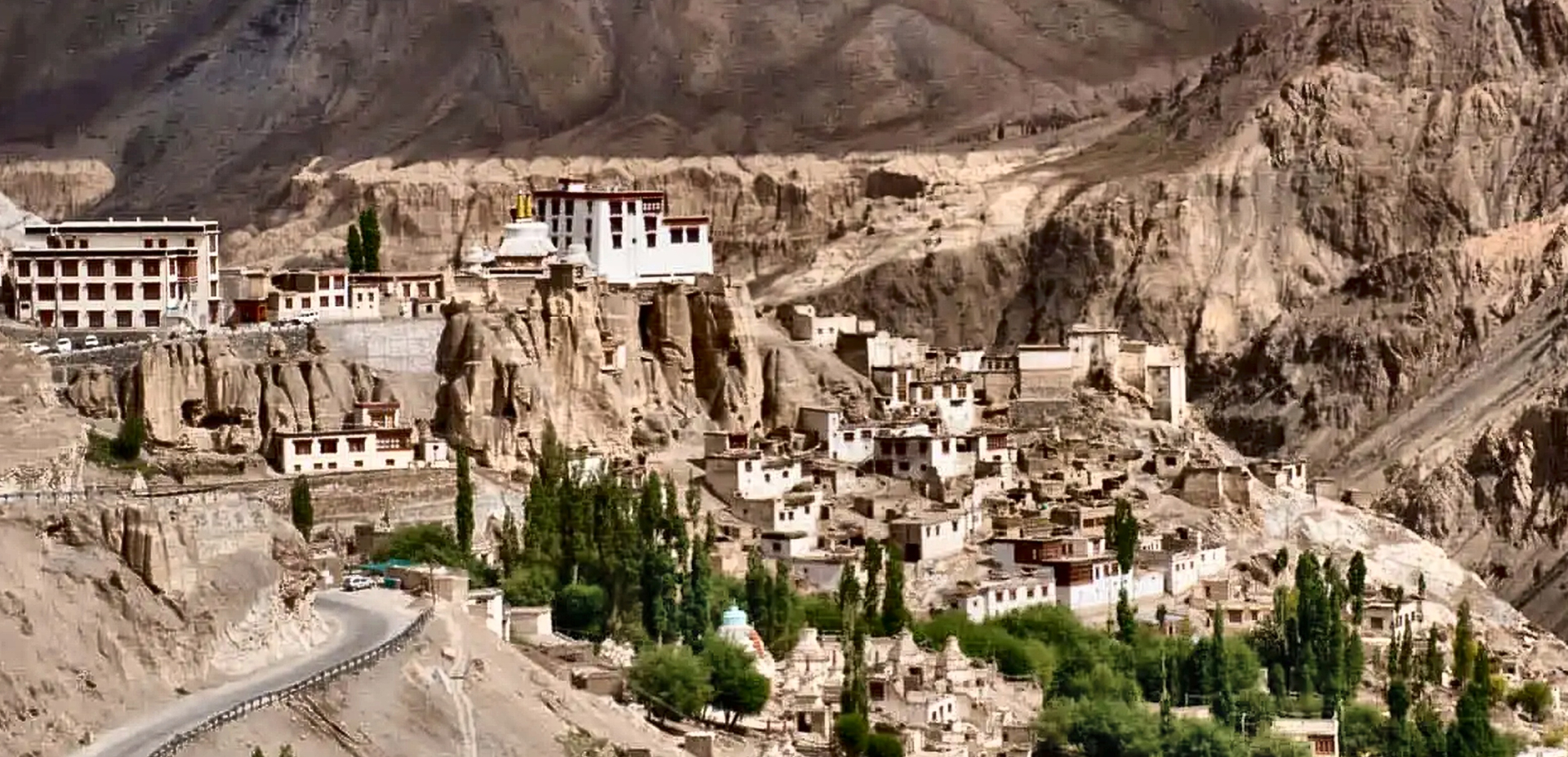
Lamayuru is farther than most places on this list, but it's worth the drive if you're planning a full-day outing. The landscape changes noticeably as you get closer — the terrain becomes uneven and textured, often described as moon-like, and feels very different from the greener patches around Alchi.
The monastery sits above the village, and the view from the top stretches across the valley. If you time your visit well, you can combine it with a stop for lunch or tea in the village below. The route is scenic, so the journey itself becomes part of the experience.
The area around Lamayuru invites you to slow down. Once you've seen the monastery, you can walk through parts of the village or simply sit and take in the landscape. There aren't too many distractions here, which makes the experience feel more open and unplanned.
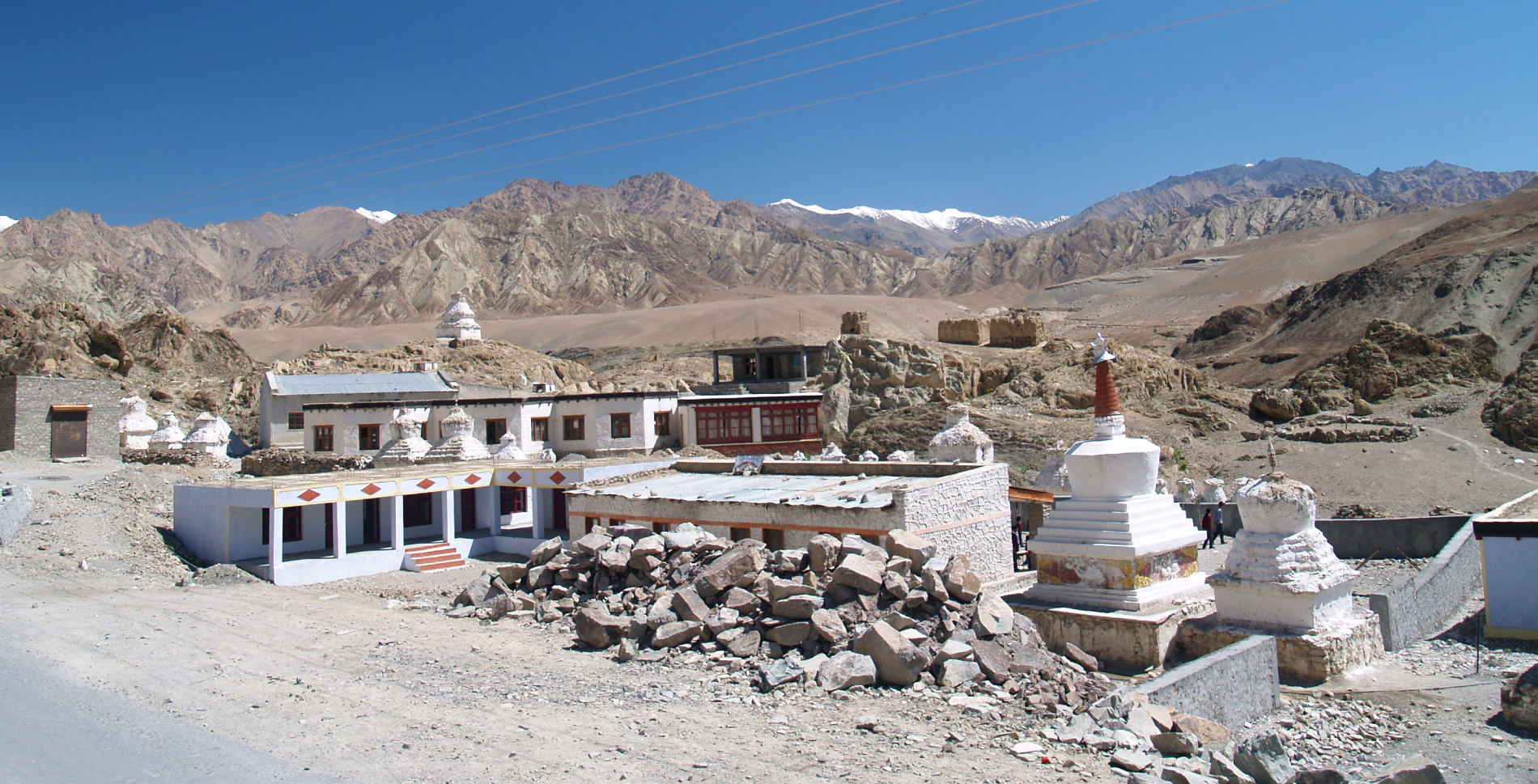
You don't have to plan much for this one. The monastery is a short walk from the village. Unlike most monasteries in Ladakh, which require a steep climb, Alchi stays close to the river. The structure feels grounded — almost hidden — until you step inside.
Dating back to the 10th–11th century, Alchi is among the oldest monasteries in Ladakh and arguably its most historically significant. It was founded by Rinchen Zangpo, widely known as the "Great Translator," who is credited with establishing over a hundred monasteries across the Himalayan region. Alchi and the similarly styled Tabo Monastery in Spiti are both on the tentative list of UNESCO World Heritage Sites.
What truly sets Alchi apart is what's on its walls. Unlike any other monastery in Ladakh, which are heavily influenced by Tibetan Buddhist art, the wall paintings here depict a unique confluence of Hindu and Buddhist cultures of the 11th century. The artistic details of both Buddhist traditions and the Hindu kingdoms of Kashmir and Himachal Pradesh are reflected throughout the murals — making these some of the oldest surviving paintings in Ladakh.
This distinction matters more than it might first appear. The paintings bear a closer resemblance to Buddhist art from the Indian plains than to Tibetan Buddhist conventions, reflecting a time when Buddhism spread into Ladakh from Kashmir and North India — a period historians call the "second spreading of Buddhism." Every other monastery in Ladakh, built in later centuries, shifted heavily toward Tibetan Buddhist traditions. Alchi remains the most intact example of this earlier, India-facing wave of the faith. It is said that the artists who painted the murals were brought from Kashmir, which may explain the Hindu iconography, arabesques, and motifs woven throughout the imagery.
The interiors stand out far more than the exterior. The wall paintings include mandalas, donor portraits of kings and queens, and Bodhisattvas clad in royal robes — all created with natural pigments that have survived remarkably well in the arid climate. The wood carvings are equally extraordinary, almost baroque in style.
It's rarely crowded, so you can take your time without being pushed along. Early morning or late afternoon works best for a quieter visit. Cameras and phones are not permitted inside — which, rather than being an inconvenience, allows you to be fully present with something genuinely rare.
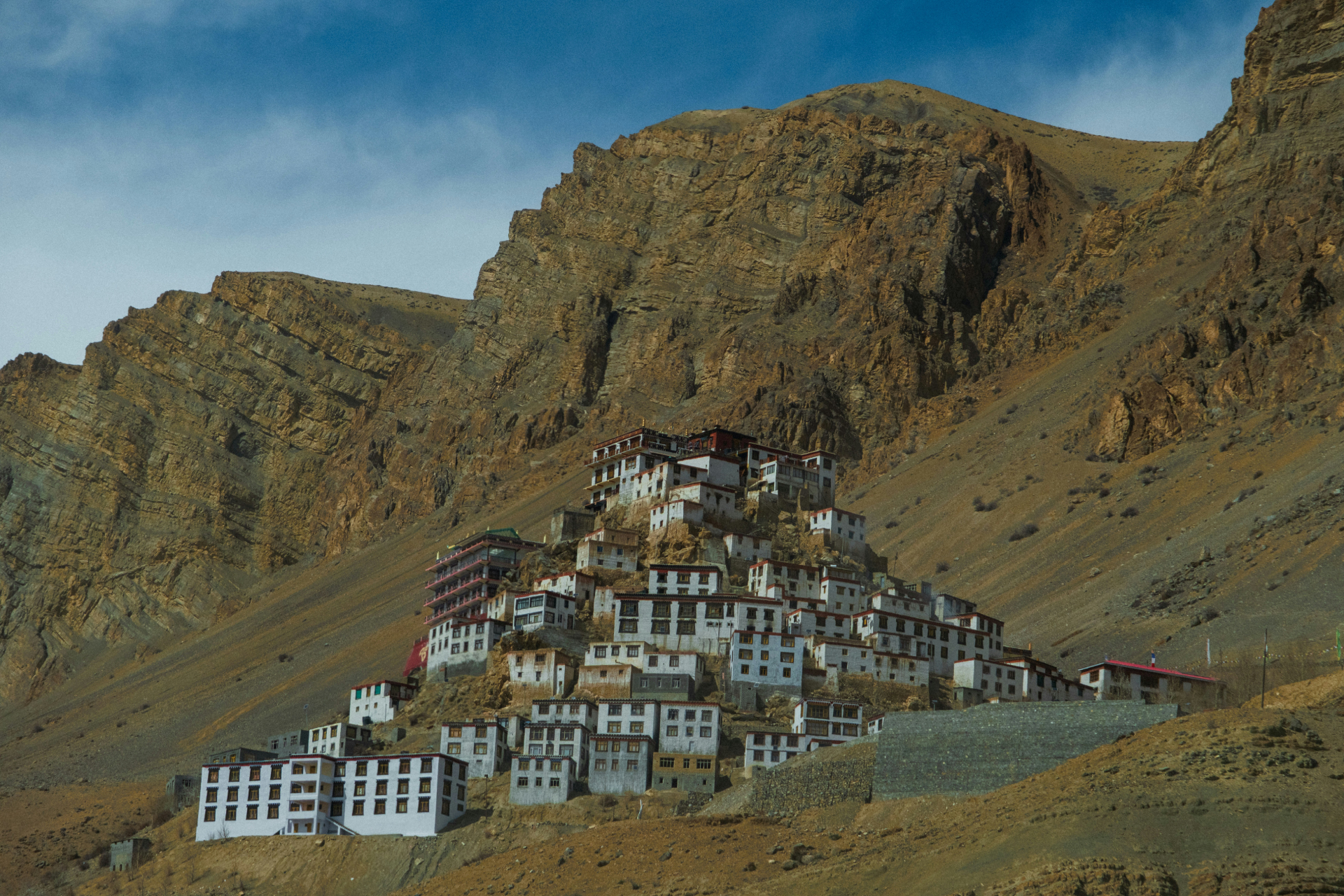
About an hour's drive from Alchi, Likir offers a more elevated view of the valley. The road gradually climbs, and by the time you arrive, the landscape opens up in a way that feels wide and still.
The large statue of Maitreya Buddha is visible from a distance, and once you're up there, the quiet is striking compared to the busier monasteries near Leh. It's a good stop if you want a mix of views and unhurried time to sit and absorb your surroundings. The drive is smooth, making it an easy fit for a half-day plan.
Likir is also the administrative headquarters for several monasteries across Ladakh, including Alchi, which falls directly under its care. The monks who live here reside in individual Tashaqs — traditional rooms built into the monastery complex — following a structured daily rhythm of prayer, study, and communal life. Founded in 1065 under the direction of the fifth king of Ladakh, the monastery belongs to the Gelugpa order and is home to around 120 monks, along with a school run by the Central Institute of Buddhist Studies where young students learn Sanskrit, Hindi, and English alongside Tibetan religious texts.
Basgo sits between Alchi and Leh, making it one of those places you can visit without going out of your way. The ruins don't look dramatic at first, but once you start walking through, the scale becomes clear.
The mud-brick structures blend into the mountains, and that's what makes the place compelling. It doesn't feel like a typical tourist stop. You can walk around freely, take in the views, and move at your own pace. Sunset works particularly well here, as the changing light transforms the color of the entire landscape.
If you're heading towards Leh, Magnetic Hill is an easy stop. Park your vehicle at the marked spot, and it appears to roll uphill on its own. Whether you believe the explanation or not, it makes for a quick and fun break during the drive.
Not far from Magnetic Hill, Sangam is where the Indus and Zanskar rivers meet. You can see the two distinct colors of water flowing side by side before they merge — a view that stays simple but holds your attention.
You can stop at the viewpoint or walk down closer to the river. During certain seasons, rafting is available, but even without it, the contrast in the landscape makes it worth visiting.
Rizong is quieter than most monasteries in Ladakh, and the slightly off-route drive keeps the crowds away. The road leading up passes through a narrow valley, and by the time you arrive, the setting feels genuinely isolated. Rizong sits majestically between two mountains and is home to some of the holiest monks in Ladakh.
The monastery follows a stricter daily routine, giving it a noticeably different atmosphere. There are no shops or busy areas nearby. Founded in 1831 by Lama Tsultim Nima, it is widely known as the "paradise for meditation" — a reputation earned through centuries of rigorous spiritual practice. The monks here live by the Vinaya Rules, one of the strictest codes of monastic discipline in Ladakh: no personal possessions, no leaving the grounds except in illness, and no contact with the outside world. It is also believed that Guru Padmasambhava meditated in the caves surrounding Rizong long before the monastery was ever built, adding a layer of sacred history that few other sites in the region can claim. It's also close to the Chulichan Nunnery, about 2 km away, which you can visit on the same trip.
Uleytokpo is close to Alchi and works well when you don't want to travel far. It's known for its riverside setting, where you can sit near the Indus and spend time without a fixed plan. It's not about sightseeing in the conventional sense — it's more about slowing down and letting the surroundings take over for a while.
You don't need to rush through all of these places. A simple approach is to group nearby spots together. Basgo, Magnetic Hill, and Sangam can easily be combined on a single trip toward Leh. Another day can be set aside for Likir and Rizong. If you have more time, Lamayuru works well as a dedicated full-day outing.
Start your day a little early, especially during peak season, to avoid traffic near Leh. Carry water, and keep your plan flexible — some places feel much better when you're not racing through them.
Staying in Alchi gives you a different starting point compared to Leh. You're already closer to many of these places, and the overall pace feels slower. Instead of long travel days, you get shorter drives and more time at each location — and that's what makes exploring this part of Ladakh feel more balanced.