

Arriving in Ladakh feels exciting right away, but your body needs a little time to catch up. Leh sits at over 11,000 feet, and the air carries less oxygen than you’re used to. That shift is what makes acclimatization important. If you handle the first couple of days well, the rest of your trip becomes much easier and more enjoyable.
The first day sets the tone for everything that follows. Once you reach Leh, don’t rush out to explore. It’s better to check in, settle down, and give your body a full day to adjust. Even if you feel fine, avoid the temptation to walk long distances or climb stairs repeatedly. Rest doesn’t mean doing nothing. You can sit by a window, take in the views, or step out briefly, but keep your movements light. The idea is to let your breathing stabilize naturally. Many people skip this step because they feel energetic after arrival, but that’s usually when problems begin later.
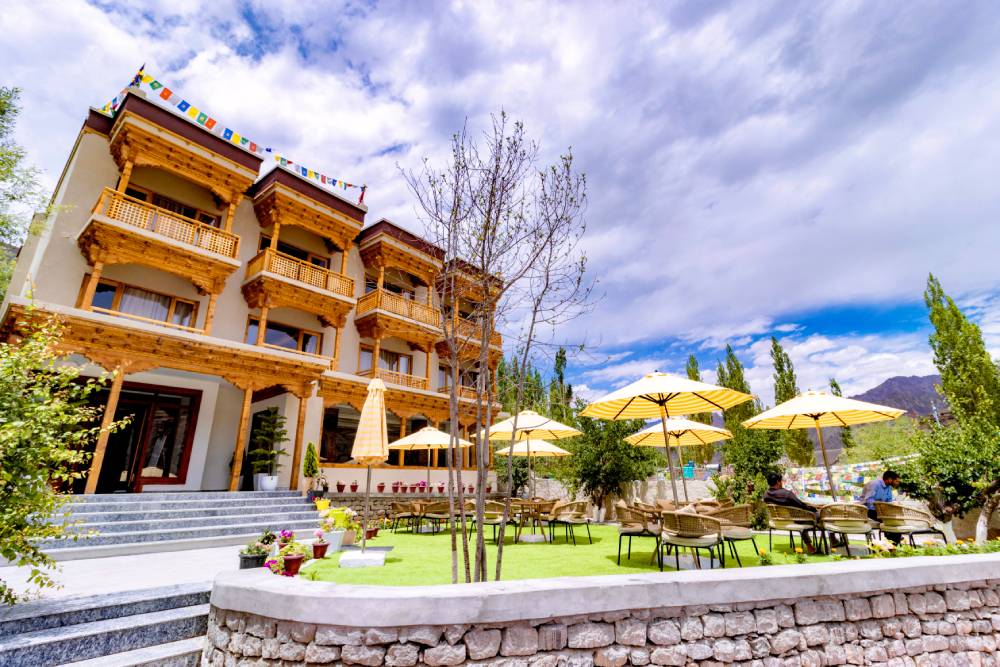
One of the simplest ways to acclimatize better is to spend your first night or two at a slightly lower altitude than Leh. Places like Alchi sit a bit lower, and that small difference can make a noticeable impact.
When you arrive at a lower altitude, your body doesn’t have to work as hard to adjust. Sleep tends to be better, and symptoms like headaches or fatigue are less likely to show up. After a day or two, moving to Leh feels much easier because your body has already started adapting.
This approach works especially well if you’re flying directly into Leh from a low-altitude city. Instead of jumping straight into the highest point of your trip, you ease into it.
Hydration plays a bigger role here than most people expect. At high altitude, your body loses water faster, even if you don’t feel sweaty. Dry air and increased breathing both contribute to that.
Keep drinking water through the day, even if you’re not feeling thirsty. Warm fluids like soups or herbal teas also help. Avoid cold drinks right after arrival, as they can make your body work harder to regulate temperature.
Alcohol is best avoided for at least the first 48 hours. It can slow down the acclimatization process and increase the chances of headaches or dizziness.
Your appetite may feel different at high altitude. Some people feel less hungry, while others feel heavy after eating. The key is to keep meals simple and regular.
Go for warm, freshly cooked food rather than heavy or oily dishes. Local meals often work well because they’re suited to the climate. Eating smaller portions at regular intervals helps maintain your energy without putting too much pressure on your system.
Skipping meals isn’t a good idea either. Even if you don’t feel very hungry, try to eat something light to keep your body steady.
Your body usually gives clear signals when it’s adjusting. Mild headaches, slight fatigue, or shortness of breath are common during the first day or two. These signs don’t always mean something is wrong, but they shouldn’t be ignored either.
If symptoms feel stronger or don’t settle with rest, it’s better to take it easy for another day. Pushing through discomfort often makes things worse. Most issues settle on their own if you give your body enough time.
Sleep is another indicator. If you’re sleeping well, it usually means your body is adapting properly. If not, slowing down your plan helps.
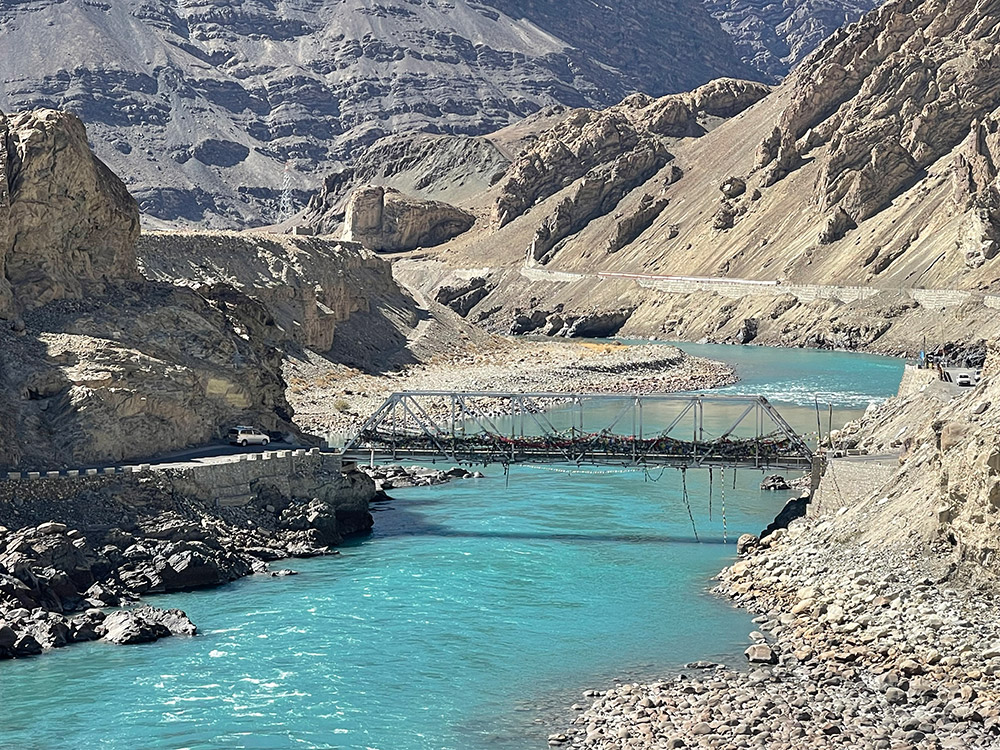
Once you feel comfortable, start increasing your activity slowly. Short walks around your stay are a good way to begin. Avoid steep climbs or long treks in the first couple of days. Even sightseeing should be planned in a way that doesn’t feel rushed. Cover one or two places at a time instead of trying to fit everything into a single day. The goal is to enjoy the experience without feeling drained.
By the third or fourth day, most people feel much better and can handle longer drives or higher passes without difficulty.
Temperature changes in Ladakh can be sharp, especially between day and night. Keeping yourself warm helps your body adjust more comfortably.
Layering works best. You can add or remove layers depending on the time of day. Cold exposure can make your body work harder, so staying warm helps conserve energy. Even during sunny hours, the air can feel cooler than expected. A light jacket or shawl usually comes in handy.
It’s tempting to create a packed itinerary, especially when you have limited time. But Ladakh doesn’t work well with tight schedules at the start.
Keep the first two days flexible. Allow room for rest, short walks, and unplanned breaks. Once you feel fully settled, you can move on to longer trips like Nubra Valley or Pangong Lake.
Travel here feels better when you match your pace with the environment rather than trying to control it.
Some travelers carry medication for altitude adjustment, and that’s fine if prescribed. But it shouldn’t replace basic precautions like rest, hydration, and gradual movement.
If you’re unsure, it’s always better to consult a doctor before your trip. For most people, simple steps are enough to acclimatize without needing medication.
Acclimatization often sounds more complicated than it is. The key is to stay aware of how your body feels and respond accordingly. You don’t need to overthink every step. Give yourself time, stay hydrated, and avoid rushing into activities too quickly. Once your body adjusts, Ladakh becomes much easier to explore.
Starting your journey with a calm approach makes all the difference. Whether it’s choosing a lower-altitude stay, keeping your first day light, or spacing out your plans, these small decisions shape the overall experience.
When you get acclimatization right, everything else falls into place. You enjoy the drives more, sleep better, and feel ready for the higher parts of the region. That’s what makes the trip feel smooth from start to finish.